Português
 Español


Why are there different printing techniques?

In the world of custom promotional products, printing plays a crucial role. Whether it’s to showcase a logo, message, or exclusive design on a product, choosing the right printing technique can make a significant difference in the final result. But why are there so many printing techniques, and how can you determine which one is the most suitable for each situation?
In this article, we will explore the main reasons behind the diversity of printing methods, analyzing their characteristics, advantages, and the factors that influence the choice of each technique.
The Evolution of Printing Techniques
Since the early days of movable-type printing in the 15th century, printing has undergone multiple stages of innovation. As market needs evolved, new methods were developed to adapt to different materials, levels of detail, and production scales.
The diversification of printing techniques largely emerged in response to three main factors:
-
Variety of Materials
Not all materials can be treated with the same technique. For instance, printing on fabric requires approaches distinct from those used for glass, wood, or metal.
-
Customization Goals
Businesses have specific needs regarding design, colors, and durability. Some techniques are perfect for intricate details, while others emphasize wear resistance.
-
Scale of Production and Costs
Production volumes and budgets vary by client. Certain methods are more cost-effective for large quantities, while others are ideal for small runs and unique customizations.
Main Printing Techniques in the Promotional Gifts Sector
There are several printing techniques used in customizing promotional gifts. Below, we present some of the most popular methods, highlighting their characteristics and applications:
| Pad Printing | Screen Printing | Sublimation |
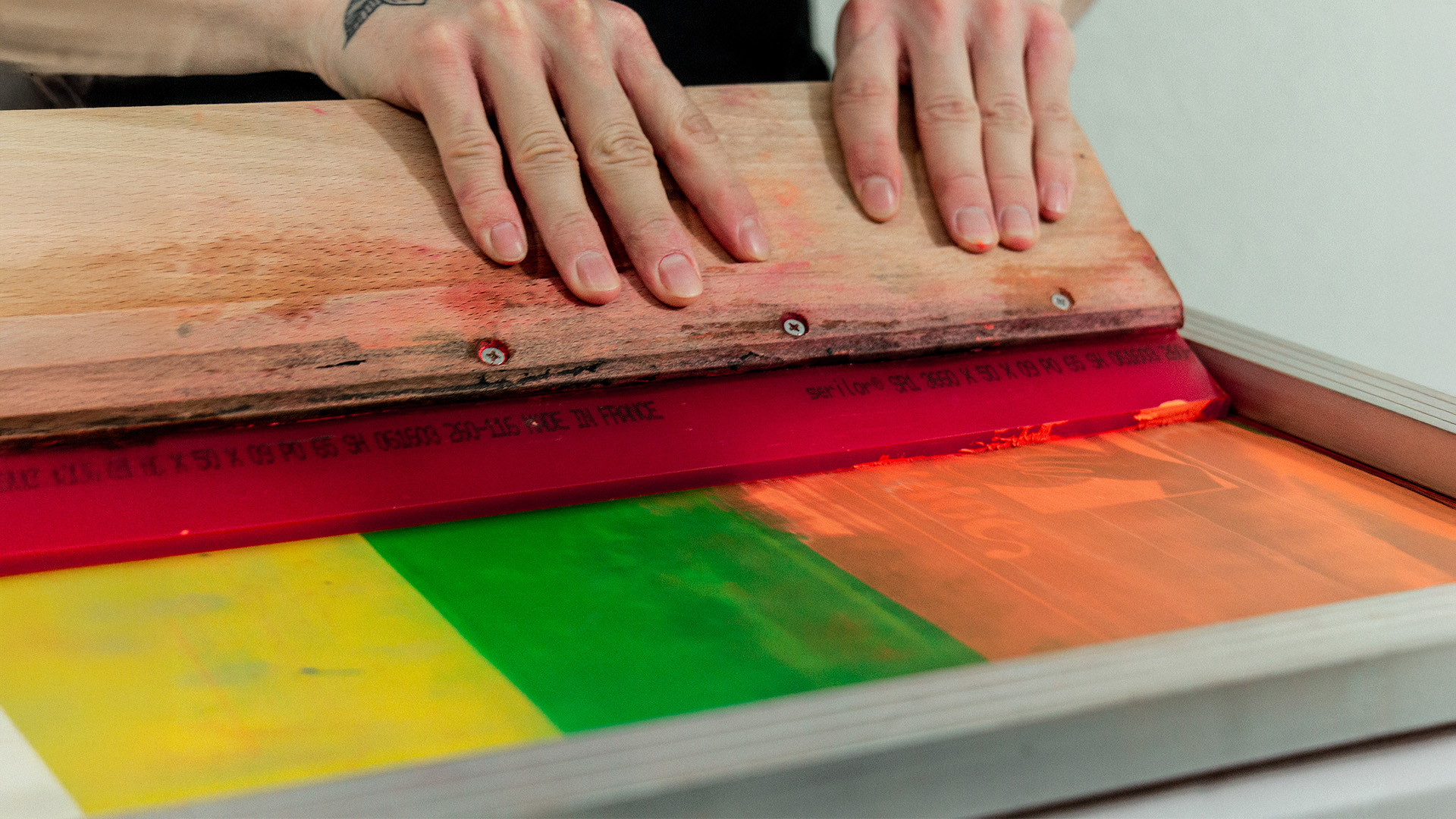
| Pad Printing is a printing technique that uses a silicone pad to transfer ink from an engraved plate to the surface of a product. | Screen printing is one of the oldest and most widely used printing techniques. It involves passing ink through a polyester mesh (or another material) with blocked areas to create the desired design. | Sublimation uses heat to transfer ink directly onto prepared materials, such as polyester or products with special coatings. This process ensures that the ink penetrates the material's surface, resulting in durable and high-quality finishes. |
|
Advantages:
|
Advantages:
|
Advantages:
|
|
Disadvantages:
|
Disadvantages:
|
Disadvantages:
|
| Applications: Pens, mugs, Keychains. |
Applications: T-shirts, fabric bags, hats, and other textile items. |
Applications: Mugs, textiles, phone cases, and cushions. |
| Digital Printing |
Embroidery |
Laser Engraving |
| Digital printing applies ink directly to the product, similar to how a conventional printer operates. It is a modern and versatile technique that does not require plates or screens. | Embroidery is a customization technique that uses threads to create designs on fabrics. It is especially popular for items such as corporate apparel and accessories. | Laser engraving is a personalization technique that uses a concentrated beam of light to directly etch onto the surface of a product. This method does not use ink, resulting in a permanent mark with an elegant, high-precision finish. |
|
Advantages:
|
Advantages:
|
Advantages:
|
|
Disadvantages:
|
Disadvantages:
|
Disadvantages:
|
| Applications: Flat products, such as notebooks, labels, and rigid promotional materials. |
Applications: ID plates, keychains, metal pens, thermal bottles, and trophies. |
| Embossing | Digital Transfer | Doming |
| Embossing is a technique that creates a three-dimensional texture on the material, raising specific areas to highlight elements such as logos, text, or designs. This method is widely used in products aiming to convey sophistication and elegance, adding a distinctive visual and tactile touch. | Digital transfer is a modern technique that allows the customization of products through the transfer of digital designs directly onto various types of surfaces using heat. The digital printing technology applied to the transfer process enables the creation of detailed designs with vibrant colors and high resolution. | El doming es una técnica de impresión que consiste en aplicar una capa de resina transparente sobre un adhesivo previamente personalizado. Este recubrimiento crea un efecto tridimensional, aportando brillo y protección al diseño impreso. |
|
Advantages:
|
Advantages:
|
Advantages:
|
|
Disadvantages:
|
Disadvantages:
|
Disadvantages:
|
|
Applications: Personalised notebooks, Agenda covers, Business cards, Gift boxes, Product labels |
Applications: t-shirts, polos, and hats, bags, bottles, and mugs. |
Applications: Keychains, Metal tags, Mobile phone cases, Promotional gadgets |
Factors to Consider When Choosing the Printing Technique
The choice of the right printing technique depends on a combination of factors, which include:
-
Product Material
Not all techniques work with every material. It is important to consider whether the item is made of fabric, plastic, metal, glass, or wood.
-
Design Complexity
If the design includes many details or color gradients, techniques like sublimation or digital printing are more suitable.
-
Production Volume
For large quantities, methods like screen printing or pad printing are more efficient and cost-effective.
-
Available Budget
The cost of customization varies depending on the technique, so it's necessary to balance quality with financial feasibility.
-
Expected Durability
Some promotional gifts are designed to last for years, while others have a shorter lifespan. Techniques like embroidery or sublimation offer greater durability, ensuring that the design remains intact over time even with regular use.
The Importance of Consulting Professionals
In a market where details define a brand’s success, the personalisation of promotional gifts emerges as a process that demands technique and strategic vision, balancing quality, deadlines, and costs harmoniously. Relying on experienced specialists ensures ideas come to life, creating elements that strengthen real connections and reflect values like sustainability, always with a touch that respects the environment. Picture adapting solutions that go beyond the basics, incorporating creativity to captivate an attentive audience, turning simple gestures into positive memories.
The variety of printing techniques in the world of promotional gifts adapts to the diversity of business challenges, from material choices to production volumes, guaranteeing optimised outcomes for each context. With the right approach, these items not only mirror the brand’s identity with precision but leave a lasting impact on clients and partners. For businesses seeking innovation, exploring options like corporate gifts or advertising gifts can elevate campaigns, fostering authentic and genuine loyalty.
By prioritising eco-friendly gifts, for example, you blend modern principles with creativity, building a responsible reputation that resonates in daily life. In the end, consulting professionals transforms visions into realities of excellence. Need support in defining the ideal technique for your next project? Contact our team and discover how to turn concepts into personalised gifts that inspire and endure.