Português
 Español



Custom Gifts: The Power of Election Campaigns

In an increasingly competitive political landscape, parties rely on custom promotional gifts during election campaigns as a strategic political marketing tool. The aim is to strengthen brand image, increase visibility, and create an emotional connection with voters.
More than simple objects, election promotional gifts now play a key role in political merchandising, helping transform sympathy into trust and proximity into voting intention.
The importance of gifts in election campaigns
Distributing personalised promotional gifts is not merely a symbolic gesture. It is an effective way to communicate values, identity, and political positioning. When receiving a gift, voters associate the experience with positive emotions, reinforcing campaign perception and affinity with the party or candidate.
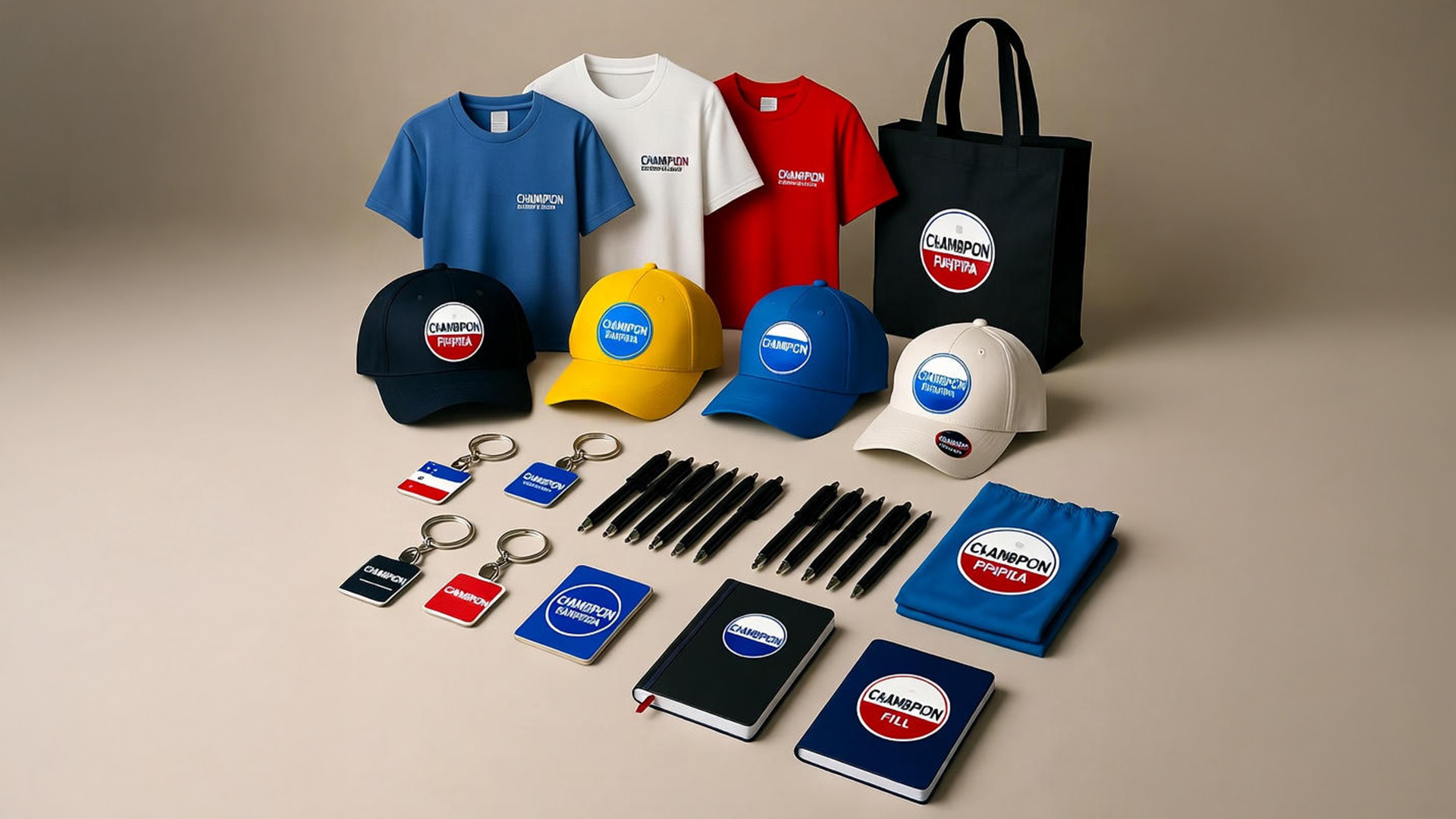
Promotional gifts help strengthen party visual identity through items such as T-shirts, caps, and other products customised with the campaign logo and colours. They also create emotional memories that become symbols of support and belonging, while increasing visibility by turning each item into a daily and organic communication channel for the political message.
Examples of effective gifts in political campaigns
The choice of election promotional gifts should reflect both the target audience and the values of the candidacy. Among the most effective items are:
-
T-Shirts and Caps: featuring the party logo and slogan, widely used at events and in supporters’ daily lives.
-
Keychains and Magnets: Remain a practical and cost-effective option, easy to distribute and effective as constant campaign reminders.
-
Eco-Friendly Bags: Are increasingly popular, reflecting environmental awareness and conveying a modern, responsible image.
-
Pens and Notebooks: Although traditional, continue to be popular due to their everyday usefulness and their ability to ensure continuous exposure of the political brand.
Segmentation and personalisation in political marketing
The success of political marketing depends on the ability to segment and personalise. Effective campaigns use data and opinion research to understand voter profiles and adapt promotional gifts to their lifestyles and interests.
Best practices include personalising products with messages, slogans, or local references to create a stronger sense of belonging. Strategically distributing gifts at rallies, fairs, street actions, and local events maximises campaign impact. Integrating social media is also essential, encouraging voters to share photos with the gifts, generating organic exposure and extending digital reach.
Sustainability and ethics in the use of election gifts
With voters becoming increasingly informed and demanding, sustainability has become a decisive factor in election campaigns. Choosing eco-friendly promotional gifts made from recycled or biodegradable materials reinforces environmental commitment and supports a modern, responsible image.
Ensuring legal compliance is equally important, respecting electoral legislation and avoiding practices that could be interpreted as vote buying. Ethics and transparency must guide the entire political merchandising strategy, ensuring that gifts are intended to inform, engage, and build trust.
Measuring results and return on investment
To ensure that promotional gifts in election campaigns are effective, it is essential to measure their impact. Results can be evaluated through voter awareness and satisfaction surveys, analysis of social media engagement, and studies on message recall and political brand recognition.
These insights help identify which products generate stronger emotional connections, allowing future strategies to be refined and investment in political merchandising to be optimised.